Showing posts with label Sunday Tea. Show all posts

Sunday, 27 September 2015

Infusers // The Tea Ball

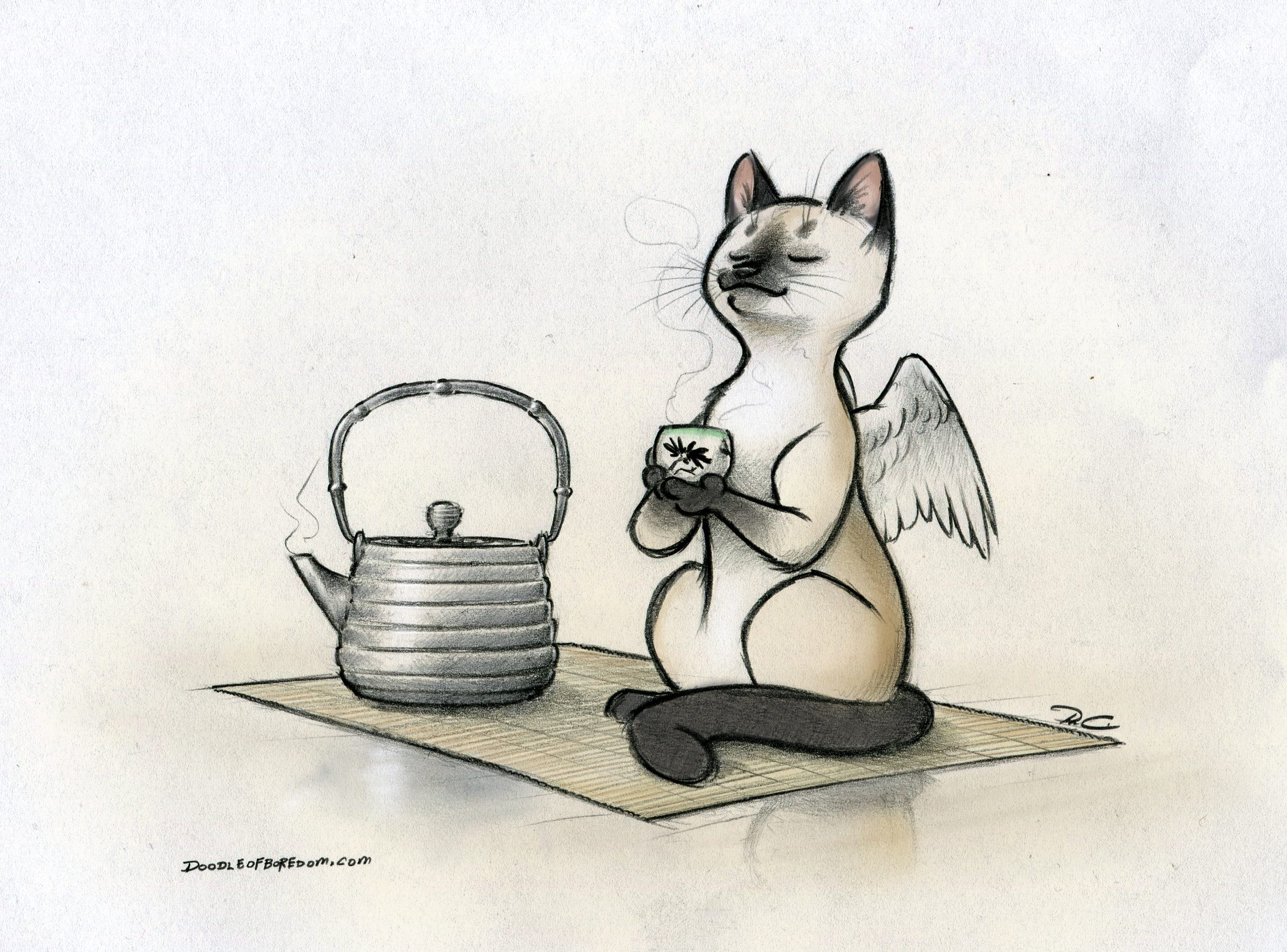
There are countless strains of tea and combinations of infusions out there. One thing that does stay fairly similar for most people is their selection of infusers with which to make their cups of awesome. The question is, which one do you use? Which kind is the best? For those who are only looking to make a single cup at a time and not break out the teapot (Why not? Call a friend and make more tea. JUST DO IT), infusers are an easy way to make the perfect amount of tea for a single  cup.

Let's start with a stereotypical infuser.


The tea ball. A lot of people new to the tea world will pick up one of these little dohickies as an afterthought once they finish their first purchasing experience. They're usually right next to the register, and only cost a few bucks. Let's be honest. You just dropped $60.00 on tea, what's another $3.00?  These little metal casings are a convenient size for most teas (oolongs and other large leaf teas may have some issues expanding to their full potential in them) and they are fairly easier to clean. Pop open the hinge, dump the used leaves into the compost, rinse, and make another cup. Easy enough right?


Well, that's when your problems arise with these buggers. They are usually advertised as stainless steel tea balls, which is partially true. The mesh is stainless steel, but a lot of the time the hinge components are made out of aluminum, which does not do well with being dunked into hot water and then left to air dry while you finish writing your next screenplay. If you've ever owned one of these little buggers (Or paid way more attention in chemistry than I did), you know that this means that the hinges will quickly rust, corroding away the important bits until the tea ball literally fall apart. Another cruddy part of this construct is that the mechanics required to open and close the hinge also creates a small space between the two halves, even when closed. For tea leaves, it's not that big of a deal. But if you prefer CTC tea over full leaf, or other herbal infusions like rooibos, a tea ball is going to leave all kinds of dregs in your cup.

GOOD THINGS
-Cheap $$
-Easy to clean
-Easy to acquire
-Keeps out most particulate from tea leaves
-Various sizes fit into more uniquely shaped teapots

BAD THINGS
-Cheaply made
-Components corrode
-Gaps allow a lot of dregs out
-Doesn't allow large leaves to expand
-Can be messy

All in all, if you're looking to buy a device to make tea, should you invest in a tea ball?
Let's ask the expert.


HE HAS SPOKEN


Toodles!

Sunday, 20 September 2015

Tea Mythology and Lore

Tea has been around for a really long time. Like, thousands of years. In that time, a lot of stories have arisen in different parts of the world to explain the origin of one of the oldest drinks known to humankind. 

The first legend is about the Chinese emperor Shen Nung, who lived about 5000 years ago. It is said that a single leaf blew into a pot of water that was being boiled for the emperor. Shen Nung found that the water had improved taste and seemed to have a stimulating effect.

An artistic rendering of the event

A Buddha statue in a Japanese tea garden
India has it's own version of the origin of tea. According to the story, tea was created by the Buddha. During a pilgrimage to China, the Buddha took a vow to meditate without sleeping for nine years. After a time, he did fall asleep, and was enraged at himself when he woke up. He tore his eyelids off and threw them to the ground. The eyelids grew into a plant with leaves shaped like the torn off eyelids. The Buddha began to chew the leaves of the plant and found himself renewed. He took this, the first tea plant, with him on his pilgrimage through China. Again, this is a story, as there is no actual evidence to support that the Buddha ever even went to China.


Kuan Yin, the beautiful, multiple armed goddess
Another story about tea in China has to do with a popular tea, Ti Kuan Yin. According to the legend, Kuan Yin, the Goddess of Mercy, presented tea as a gift to a devout farmer who diligently maintained her old, run down temple. Inside the temple was an iron statue of Kuan Yin that followers could pray to. One day, the statue appeared to come to life before the farmer's eyes. He fell to his knees and the goddess spoke to him. "The key for your future is just outside this temple. Nourish it with tenderness; it will support you and yours for generations to come." When the farmer left the temple, he discovered a small, withered plant. After caring for the plant for some time, the bush grew strong with thick green leaves. Out of curiosity, the farmer dried the leaves of the plant in a stone wok. The leaves turned a similar colour to the iron statue of the goddess. The farmer infused these leaves into water and discovered that the drink was the most delicious thing he had ever drank, and dubbed it Ti
Kuan Yin, the tea of Kuan Yin.

Tea has fascinating history, mythological or factual. It's interesting to see how different regions of the world have similar stories, adapting them over the years to fit their cultural differences. One thing that's certain is that tea is has a worldwide presence, and I hope that it stays that way for many thousands of years to come.

Toodles!

Sunday, 30 August 2015

Caffeine and Tea

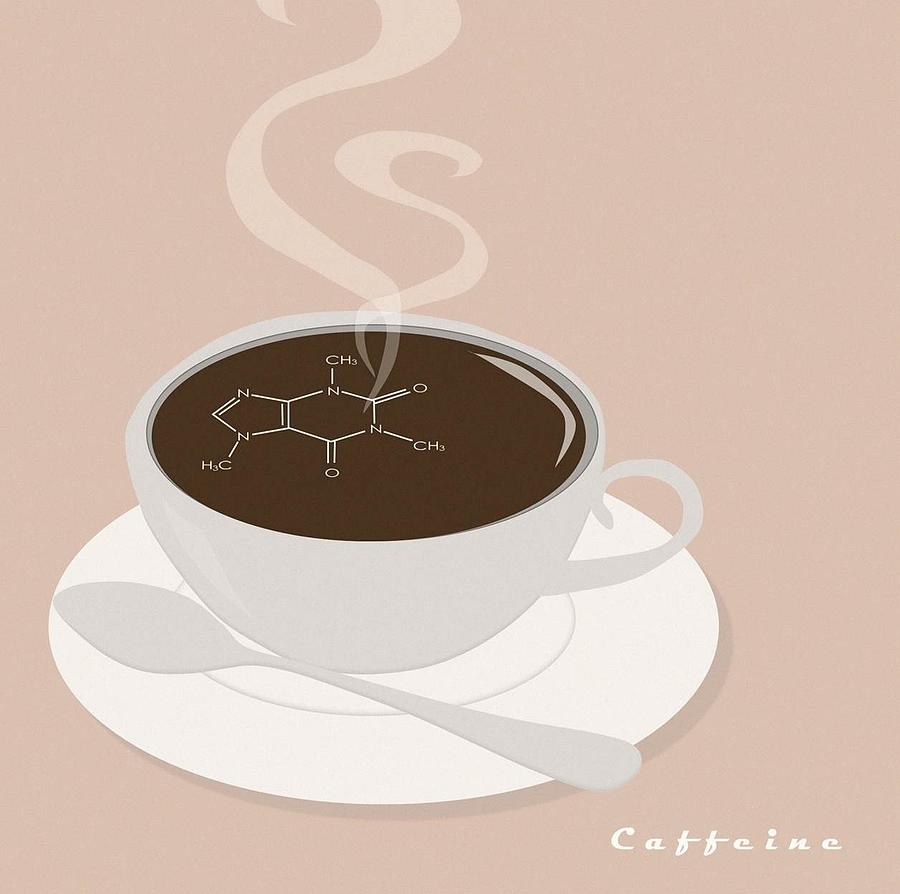
Caffeine has become a huge part of Western culture. People make clothing about it, food infused with it, and (not surprisingly) some become addicted to it. That said, caffeine is naturally a part of a lot of things, including coffee, chocolate, pop, and tea. As tea is included in this list, I thought today would be a good opportunity to throw some information about caffeine in tea at you.

Available on Thinkgeek. Just saying...
FACT
There is less caffeine in a cup of black tea than in a cup of coffee. A British study showed that a typical 8 ounce cup of black English breakfast tea contains 40mg of caffeine vs the 105mg found in an 8 oz cup of drip coffee. There are studies that try to say that coffee has less caffeine than tea, but they contain misinformation, comparing coffee and tea in their dry forms. In this state, yes, tea has more caffeine, but the amount used per cup is what makes the difference. On average, 2 grams of dry tea is used verses the 10 grams of dry coffee per 8 oz cup.

FACT
An amino acid found in tea (and only found in tea, not in anything else), is called L-theanine. It reduces stress and works alongside the caffeine in the plant to calm the body while allowing the caffeine to keep the mind attentive. Tea is unique over coffee in the way that it creates "calm alertness".

FACT
The high amount of antioxidants actually help to even out the rate that caffeine is absorbed into the body. Coffee and pop deliver a high amount of caffeine quickly to the system and have nothing to bind to chemically, so the caffeine is quickly used and the body crashes soon after. The caffeine in tea binds to the antioxidants and absorb slowly, allowing the body a longer duration of alertness without crashing.

Another common myth about tea is that black tea has more caffeine than green or white tea. This is untrue. The oxidization process has ZERO impact on the amount of caffeine. What makes the difference is the process of brewing the different types of tea. The amount of caffeine that gets transferred from the leaves to the liquid is determined by the temperature of the water and the length of time the leaves are infused. A cup of black tea contains more caffeine because it was steeped for LONGER PERIODS OF TIME and in HIGHER TEMPERATURE WATER. Green and white teas use lower temperature water and shorter steep times; they have less caffeine in a brewed cup.
Caffeine content in a cup of properly brewed tea

One last little tidbit about tea is that decaffeinated tea has doesn't actually contain zero caffeine. Different processes can be used to leach some of the caffeine out of the tea leaves (CO2 being an incredibly effective method that retains a lot of the tea's taste), but none of these processes remove ALL of the caffeine. A cup of decaf tea will retain around 5-10mg of caffeine. In order to drink something without any caffeine, you have to switch to an herbal infusion like rooibos, peppermint, chamomile, or fruit infusions.

Now that you are a little better informed, go forth and enjoy the calm focus of tea!

http://robthedoodler.deviantart.com/

Toodles!

Sunday, 23 August 2015

FORLIFE Teaware


One of the defining features of a good teapot is to have a spout that doesn't drip. I can't even begin to explain how annoying it is to make a pot of tea and have it spill all over the place. Enter the solution, the best line of tea products I've ever used: FORLIFE. I've been a supporter of this line of teapots ever since I began getting into tea. My favourite little teapot is a pretty little black thing, it holds two to three cups of tea. The best thing about my teapot, and every teapot that FORLIFE makes, is that the brand has a guarantee that all of their products will not drip. 


Another great thing about the brand is the huge amount of colour choices you can get their stock in. All of the items on their website (aside from the glassware) comes in a variety of colours that you can choose from. For those looking to acquire a full set of cups and pots, you can get all your purchases in the same colour if you like. The matching set thing appeals to some people.


I highly recommend that for anyone looking to buy some teaware check out either the FORLIFE website or an authorized seller. The products are amazing, well designed in both use and aesthetics, and backed by the best kind of guarantee a teapot can have. Check them out!


Toodles!

Sunday, 16 August 2015

Lapsang Souchong

Congrats on being super curious about the post title!

A signature aspect of Chinese teas is the fact that they are exposed to smoke to halt the oxidization process. Normally the smoke is fairly subtle and kept at a distance, so as to not overly influence the flavour of the tea leaf. Lapsang Souchong is an exception to this practice. The tea leaves are exposed very closely to the smoke of a pine wood fire. Anyone that has burned an old Christmas tree after the holidays knows how strong a smell that is. This tea smells EXACTLY like that.

It has been a while since I have had this tea as a drink, and my palette has changed a lot since then. I have however used the tea when I cook, and it is an amazing spice. Putting it in a grinder with a few spices allows you to make anything you cook taste like you lightly smoked it. I've used it on chicken, bacon, pork, steak, and vegetables. It works amazingly on all of them.

Lapsang Souchong Spice Blend
-1 tbsp Lapsang Souchong
-1 tbsp white rice
-1 tsp coarse salt
-1 tsp black peppercorns

It's simple, cheap, and full of flavour. The rice serves as a small filler to make the spice blend go longer, as well as helping retain the smell of the tea to keep the blend fresh.


For an experienced tea drinker, someone who loves cigars, or just that avid cook in your life, think about giving this pungent tea a try.

Toodles!

Sunday, 9 August 2015

My history with Tea

With the amount of tea that I drink now, you'd think that I grew up around it in my family. My grandfather is was born in England, so I was told stories about "The Kettle". It was the kettle of black tea that was made every morning, and when the tea was gone, more water and teabags were added and simply reboiled. No rinsing out of dregs, no removing of the old teabags, just more bags and water. Suffice to say, that kettle was stained beyond hope and the tea was incredibly bitter. This led to my mother not really making tea when I was growing up.

When I was a teenager, I began drinking some brand or another of bagged herbal tea. I still remember drinking the peach one, with a ton of honey added in. Even then, tea was not a frequent drink for me. Hot chocolate was better. This was basically how I drank tea until I moved out of my parents' house for university. The city I moved to had two tea shops, one local and the other a chain. I began buying tea from both places, sticking to mostly flavoured black tea.

As my taste for tea developed, I began appreciating and drinking more types of tea. My tastes shifted from flavoured teas to straight ones, and from blacks to greens. Now I can't stand most of the teas from the chain store, it tastes very artificial and sugary. I even got a job at the local shop (which was amazing) until the owner moved out of the provence.

I currently have an entire shelving unit dedicated to my collection of tea, teapots, and accessories. The selection of tea is slowly dwindling, as I not longer have a good source of tea in my city. I have begun the hunt for another store or website that I can order from, as well as the very welcome additions my friends send to me from time to time. If anyone has a store that they recommend for good loose leaf tea, please leave it in the comments below and I will certainly check them out.

Never settle for anything less than what you deserve. You should have the best, and mediocrity can go suck a big bag of Red Rose.

Toodles!

Sunday, 19 July 2015

Cast Iron Teaware

One of my proudest purchases to my tea collection is my cast iron teapot. I freakin' love that thing. It makes 5 cups of tea at a time (which I usually drink entirely myself), keeps the tea hot for an exceptionally long time, and is beautifully designed. I use mine exclusively for green and oolong teas to preserve the curing coat it's acquired (I'll talk about it later, don't worry), though mine is enamelled on the inside, so it isn't necessary if you want to make other kinds of tea in yours.

Cast iron, or tetsubin, teapots originally was introduced to Japan by the Chinese in the mid-17th century. They served as a way to boil water, brew sencha (the most common tea made at the time), and provide warmth and humidity in a room. Sencha green tea became so popular around this time that people were looking for less expensive teapots and kettles. Cast iron was thought to create the best tasting boiled water, and became hugely popular throughout all casts of Japanese class. There are also many tea ceremonies that use a cast iron pot as either the centrepiece for brewing or as a receptacle for boiling and holding water.

Be forewarned. Cast iron teapots are expensive. If they aren't, the metal isn't of a good quality and doesn't retain heat well. Don't skimp on the price when it comes to a cast iron teapot. The sturdiness of the material means that the pot should last you generations with proper care. It is often a tradition to pass down a tetsubin as a family heirloom, passing down the history of the family along with the responsibility of its care and continuation. After each use, the pot should be rinsed with water (DO NOT USE SOAP), drained, and dried by hand immediately. This will prevent rusting and allow you to keep the teapot for years to come.

Fun fact: Cast iron teacups are not the best idea. They get STUPIDLY hot. But they look so pretty...

My personal joy

Toodles!

Sunday, 5 July 2015

Tea with a Purpose

There are many times that a friend will come up to me with a problem, physical or mental, and one of my first responses will be, "I have a tea for that." I am a firm believer in herbal medicine, but it definitely needs to be used correctly. It is much more effective as a preventative measure, helping to maintain your physical and mental wellbeing over time. If you want to keep your cardiovascular system in better shape, drink black tea. If you have a heart attack, go to a doctor. There's no replacement for proper medical care when actions need to be taken quickly.

As herbs affect each person differently, there is no foolproof way to maintain anything without trying it out first, but plants generally have similar effects for each person. Mint is a good muscle relaxant, and is often associated with calm or sleep in the brain. Liquorice root can be used to help sooth an upset stomach or digestive system (though I personally hate the taste of it). Raspberry leaves help maintain healthy skin, and have also been shown to help new mothers' skin recover after giving birth.

The list of what herbal teas can do for you goes on and on. There are so many plants in the world, we don't fully understand what they all do and are constantly discovering new uses for them. Beyond physical effects, we create associations in our brain between smells or tastes and emotion.  Scent is actually one of the strongest senses when it comes to creating memories. Jasmine tea (specifically Jasmine Silvery Pearl, a Chinese green tea) is my go to for relaxing after a hard day. No matter how much shit has gone down, after the second infusion, I feel myself just breath and let go of the stress. When I need to wake up, Chocolate Mint Keemun tea never fails. It also has the added benefit of not getting bitter if I get busy and forget about it. Each tea develops its own specific sets of circumstances you drink them under, over time. I even have specific teapots and cups for certain teas (Matcha looks so cool in a clear glass mug).

Find your teas' purpose. You never know when the right cup of something at the right time can turn a day for the better.

Toodles!

Sunday, 28 June 2015

The best kind of tea

Tea has become an incredibly important part of my life. It changes my mood when I need to calm down, when I need to relax, when I'm feeling happy or fulfilled. It remains ever changing, and I constantly learn new things about it.

How you handle tea and treat the leaves makes all the difference in the world. Some can handle extremely intense temperatures, while others require a much more delicate treatment. Timing and attention is very important, otherwise it can become unpleasant or at the very least, not fulfilling the potential you can get from it. Some teas require a very precise or constant attention, some require time to cool down, while others are much more forgiving, or simply easy to enjoy.

People develop their own personal tastes for tea over time, preferring one kind over another. Some people never find that one tea that they love, some change their taste as time progresses, while others choose one and stick with it throughout their life. 

This post may seem a little different than my normally detailed posts on tea. The reason behind this is because Kitten jokingly challenged me to compare tea to relationships. I'm always looking to evolve as a writer, so I took the joke as a goal. So now go back to the beginning, and reread this post, replacing references to tea to your preferred gender(s) of significant other.

Sunday, 21 June 2015

Regions of Tea

The tea plant grows in many places across the planet (Canada is unfortunately not a great one for it). What makes the tea plant so interesting is how the taste of the liquor changes based on where the plant is grown and processed. I touched on this briefly last week, but I'll go into a bit more detail this week.

China
A large amount of tea comes out of china. The huge amount of landmass there makes for many different climates and regions. Black, green and white teas all make their ways out of china, as well as a few variations that I haven't discussed yet (Pu'erh and oolong). Chinese tea makers also take huge pride in the presentation of their tea. The leaves are often rolled into pearl-like balls, or small pellets. They also make tea bricks, which vary in size from a single serve "nest" about the size of a quarter to a foot long brick that becomes a family heirloom, passed between generations.
Chinese teas are heated mostly through exposure to smoke, which makes the tea taste smokey or drier. A small number of teas are dried in a wok, and have extremely complex flavours. They also cost an arm and a leg, but are well worth the cost. Chinese (And Taiwanese) white and oolong teas are some of the most sought after and expensive teas in the world.

Japan
Tea grown in Japan is almost exclusively made into green tea, and they have made it an art form. There are so many different kinds of green tea that come from Japan, each with unique flavours. The word for tea in Japanese is "Cha", and the types of teas usually incorporate it into the name of the blend; Matcha, Genmaicha, Hojicha. So the next time you order a macha latte from somewhere, don't say you want a matcha tea latte. That means you want a tea tea latte.
Japanese teas have the oxidization process stopped by steaming the leaves. This process creates a sweeter flavour, sometimes similar to artichoke, seaweed, or grass. For those unaccustomed to the flavour pallet of teas, this might sound unappealing. I personally love Japanese green teas. I love the flavour profile, the smell, and how I feel after drinking them.
There are also pan dried tea made in Japan, and these end up being nutty instead of grassy. Japan also is the home of matcha, a finely ground, bright green tea that is served in many ceremonies. Because you ingest the entire leaf in this ground form, matcha has more health benefits than normal green tea (and more caffeine, be forewarned).

Sri Lanka
History lesson! Sri Lanka used to produce massive amounts of coffee, and developed a huge industry around it. Unfortunately, the coffee crops were devastated by a infestation and the plants died. Like, all of them. The farmers didn't want to have a total crop wipeout again, so they changed to growing tea. They already had huge amounts of land suited for growing tea, and multiple elevations for variation. They used this land to become the world's largest exporter of black tea. At this time, Sri Lanka was known as Ceylon. That's why when you buy black tea, it's often called Ceylon, referencing the original name of the country. Most black tea on the market for general use comes from Sri Lanka.

Tea comes from many places, all over the world. These three happen to be large producers, so I'm mentioning them. Africa is another large producer of tea, but they also produce large amounts of rooibos. I'll talk about rooibos later, don't worry.

Toodles!

Sunday, 14 June 2015

Differences in Tea Leaves

I have a feeling that some people only read my blog to learn about tea (I love all my readers anyway). You may have heard about all the studies about how tea improves your health and aspects of your life. I totally agree with a ton of these studies. Most of these studies are done using green tea, while many people may have only heard of black tea. Today, I shall explain the differences between tea leaf types.

Technically, only drinks made from the leaves of the tea plant can be called tea. Everything else (peppermint, chamomile, rooibos, mate, etc) is not tea. These are infusions, though it is common practice to call any drink that involves the steeping of plant matter "tea".

The tea plant can be "processed" to produce three types of tea leaves: white, green, and black. All three processes involve the picking of the tea leaves (specific parts are plucked for different kinds of tea), rolling, allowing the leaves to oxidize (this is the crucial factor), and stopping the oxidization through the application of heat (this is very different depending on where the tea is made).

When the leaves are plucked, rolled, and immediately exposed to heat, very little oxidization occurs. The leaves retain almost all of their original colour, and create an incredibly delicate tea. White tea is extremely good for your skin. You should also NEVER EVER EVER use boiling water over white tea leaves. This scorches the leaves and immediately creates a bitter liquor. If you do not have a kettle that can precisely raise water temperature, you're best bet is to let the water reach a boil and then let it sit for 8 minutes. This allows the water to lower to a more appropriate temperature so you don't burn the leaves. White tea is often much subtler in its flavour, and unflavoured white tea is probably better left to people with a broader tea pallet. It also costs more, because the leaves are harder to transport and are much more selective in the picking process.

Green tea is created by allowing the leaves to oxidize slightly, so the leaves darken to deeper shade of green, and then have heat applied. Depending on the way that the heat is applied changes the way the tea tastes. In Japan, the tea is often exposed to steam as a heat source. This creates a grassier, sweeter tasting tea. They also create some teas by heating them in a dry wok, making a much darker, nuttier tasting tea. In China, green tea is exposed to different kinds of smoke. As such, Chinese green tea is much smokier in flavour. When brewing green tea, it is again crucial to NOT use boiling water. Allowing boiling water to cool for 5 minutes should let you make your tea without making it bitter. Green tea has been the focus of many studies regarding cancer prevention, prevention of mental diseases, and improved daily mental ability. Both flavoured and straight green teas are fairly friendly to new tea drinkers, just make sure you don't use too hot water or steep the tea for too long.

Finally, black tea gets it appearance from allowing the leaves to fully oxidize before having heat applied. Black tea has an extremely wide variety of flavours naturally, as well as being extremely friendly to having flavours added to it. Black tea is often smokey, tart, or full bodied. Black tea can easily stand up to boiling water, but steep time should be carefully watched. Different teas have drastically different steep times. One tea I own has a very precise steep time of one minute. Any longer and it becomes undrinkable and bitter. Another I own uses a different strain of tea leaf, and can be left to steep for hours without getter bitter. Black tea is believed to help your cardiovascular system, as well as to help kill bacteria that causes bad breath. As it is the easiest to ship and uses lesser quality leaves, black tea tends to be the cheapest of the three types of tea.

I hope that this post has helped some of you get a little better at making tea, or served as a refresher for what you already knew. If you have any questions about the types of tea leaves, leave it in the comments below. I WANT TO HEAR FROM YOU ALL

Toodles!


Sunday, 7 June 2015

Dustings VS Loose Leaf

Hello peoples!

Today is Sunday, and I do apologize for the late posting. I was fairly groggy today and didn't get to writing earlier on.

I have worked in a wonderful tea shop, and fell in love with the massive culture and traditions around loose leaf tea. There's a lot that I can write about when it comes to tea, hence why it gets it's own day each week to be discussed. I'll start my first Sunday posting about tea at one of the basics: the difference between dustings (Tea bags) and loose leaf tea.

While handling the tea plant in the various processes that create loose leaf tea for consumption, some pieces of the plant break off or have particulate sifted out. These small bits of plant matter are collected and put into tea bags, then sold in what a lot of people assume is "real" tea. Red Rose is a brand of tea bag that is extremely popular, but is is comprised entirely of dustings. There are a few reasons companies use dustings. First and most logically for a large company, it's cheap. Much cheaper to buy the discarded bits of a process than the actual product. It's kind of like bologna. Second, because of the makeup of dustings, they steep MUCH faster than full tea leave. They are also much less susceptible the scorching, which occurs when you use water that is too hot for a particular type of tea leaf (There will be a later post on it, trust me). Using tea bags simplifies the process of making tea, basically the same way that instant coffee affected how coffee's culture when it became popular. It was cheap, fast, and awful if you knew how to make coffee from beans.

Loose leaf tea, while requiring a bit of knowledge and proper equipment, creates a significantly more flavourful liquor (The proper term for the liquid created by steeping tea), less bitter, more money efficient in the long run, and much better health benefits. Loose leaf tea retains more significantly more polyphenols, a natural chemical in the tea leaf, it creates a "calm energy". That is to say, you get the energy from the caffeine from the tea but not the jitter or crash, because of the polyphenols. They are also what helps keep loose leaf tea less bitter than dustings because they dull the impact of tannins, the chemical that causes tea to become bitter. Tannins are the reason that a lot of tea becomes bitter when over-steeped.

There are tons of studies done to show the health benefits of loose leaf tea, specifically white or green tea. Take information on the internet with a grain of salt, but generally, drinking tea should help prevent cancers, improve various body systems, and make for a much healthier life. Plus, loose leaf tea tastes awesome.

Thanks for listening to my rant today. If you have a specific question about tea, or want to share your favourite kind of tea, leave it in the comments. I'm always looking to try new teas.

Toodles!